Journée Meaning: Decoding the French Word for Day
The French language is renowned for its elegance and precision, often imbuing seemingly simple words with layers of nuanced meaning. Such is the case with journée, a term often translated simply as "day," yet one that carries a distinct semantic weight compared to its counterpart, jour. For learners and enthusiasts alike, understanding this difference is crucial not only for grammatical accuracy but also for grasping cultural contexts, especially when encountering significant phrases like journée droits femmes. This article will delve into the profound meaning of journée, explore its distinctions, and illuminate its powerful role in expressions dedicated to critical global causes.
Unpacking "Journée": More Than Just a Day
At its core, journée refers to the duration or span of a day, often with an emphasis on the activities, experiences, or events that fill that period. Unlike jour, which typically denotes a specific point in time (like "the day of the week") or a unit of counting, journée evokes a sense of the day unfolding from morning to evening, complete with its own character or purpose. Consider these common expressions:
- "Passez une bonne journée !" – "Have a good day!" (Here, "journée" implies the entire duration of your day, wishing you well throughout it.)
- "Toute la journée" – "All day long" (Highlighting the continuous period.)
- "Une journée de travail" – "A workday" (Referring to the specific period dedicated to work within a day.)
- "Une belle journée" – "A beautiful day" (Focusing on the experience or quality of the day's duration.)
This subtle but significant distinction is a cornerstone for mastering French fluency. It allows speakers to convey not just that something happened on a day, but how that day was spent or experienced. For a deeper dive into this linguistic puzzle, explore Understanding Journée: Dictionary Insights into French Days, which further illustrates these dictionary-based insights.
The Powerful Context: "Journée Droits Femmes" and Its Significance
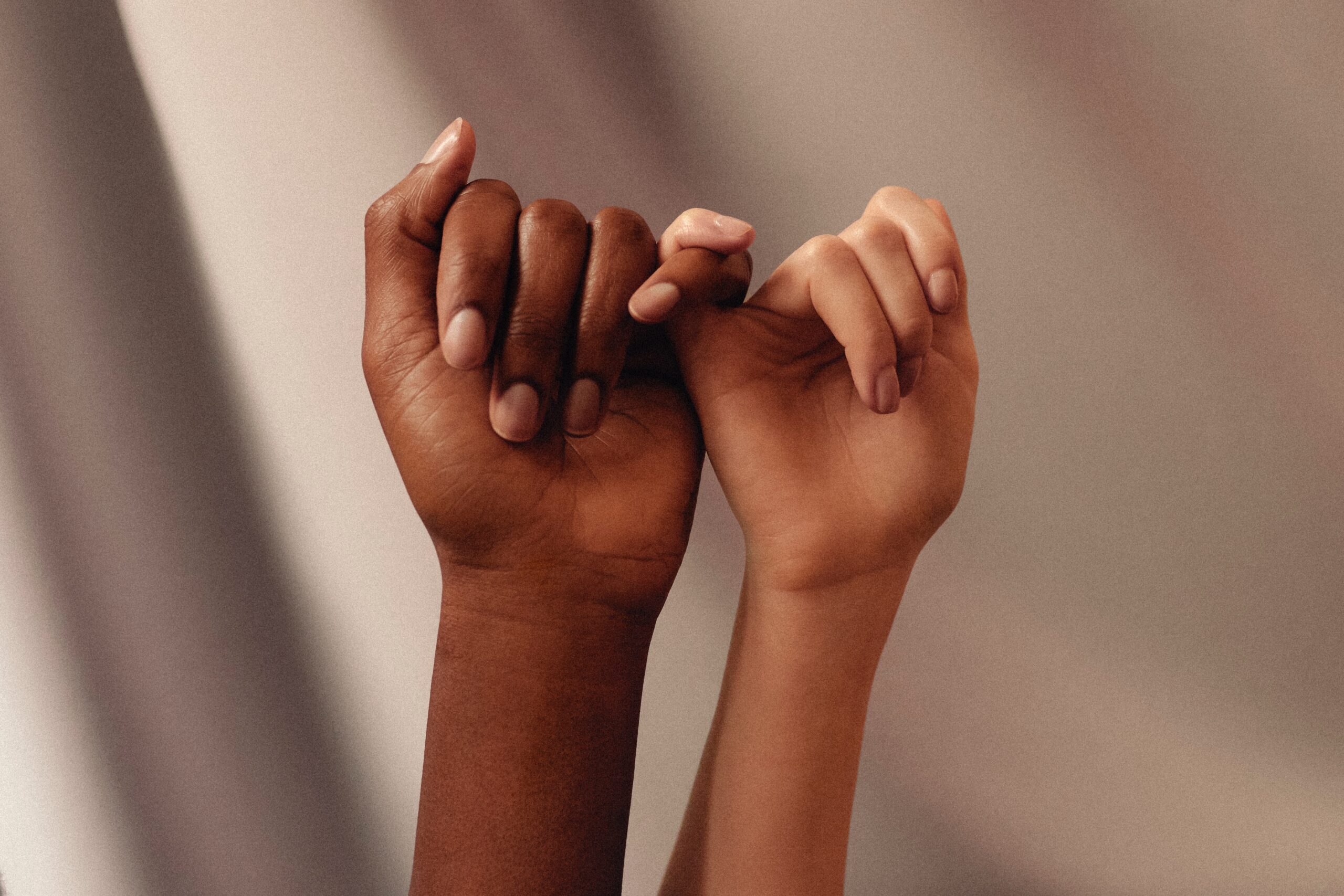
Perhaps nowhere is the profound meaning of journée more evident than in the powerful phrase journée droits femmes. While commonly understood as "Women's Rights Day," it most precisely refers to the "International Day for Women's Rights" or, as widely known, International Women's Day. The use of journée here is deliberate and impactful, signaling a full day dedicated entirely to a specific cause or observance, rather than simply marking a date on the calendar.
The Journée internationale des droits des femmes, observed globally on March 8th, is far more than just a date; it's a 24-hour period of intense focus, advocacy, celebration, and reflection on the progress made and the work that remains in the struggle for gender equality. It's a day when:
- Organizations worldwide host events, discussions, and protests.
- Governments and policymakers are urged to take action on women's issues.
- The achievements of women are celebrated, inspiring future generations.
- Awareness is raised about ongoing challenges such as gender-based violence, economic disparity, and political underrepresentation.
The term journée emphasizes the collective, sustained effort and awareness that defines this critical global observance. It’s about the *experience* of the day as a movement, a period of shared purpose, rather than just the calendar entry itself. For more context on related terminology, be sure to read our article on La Journée Nationale de la Femme: Key French Term.
Understanding the "Droits Femmes" Component
Breaking down droits femmes further illuminates the phrase's depth. Droits translates to "rights," encompassing fundamental entitlements and freedoms. Femmes, meaning "women," specifies the beneficiaries of these rights. Together, "droits femmes" encompasses a broad spectrum of human rights issues pertinent to women and girls globally, including:
- Equality and Non-discrimination: Ensuring women have equal opportunities and are treated fairly in all aspects of life.
- Economic Empowerment: Advocating for equal pay, access to employment, and financial independence.
- Political Participation: Promoting women's representation in leadership roles and decision-making processes.
- Freedom from Violence: Campaigning to end gender-based violence, including domestic violence, sexual assault, and harassment.
- Health and Reproductive Rights: Ensuring access to comprehensive healthcare and reproductive choices.
- Education: Guaranteeing equal access to quality education for all girls and women.
Observing the Journée internationale des droits des femmes often involves practical actions, from supporting women-led businesses and advocating for policy changes to educating oneself and others about gender inequality. It’s a day for solidarity and for reinforcing the ongoing commitment to achieving a more equitable world.
Navigating French Day Terminology: Jour vs. Journée
For French learners, distinguishing between jour and journée can be a persistent challenge. Here's a concise guide to help clarify their usage:
- Jour (Masculine Noun):
- Specific Point in Time: "Le jour et la nuit" (Day and night).
- Calendar Date: "Quel jour sommes-nous ?" (What day is it?). "Le jour de Noël" (Christmas Day).
- Counting: "Trois jours de congé" (Three days off).
- Beginning of the Day: "Au petit jour" (At dawn).
- Journée (Feminine Noun):
- Duration/Span of the Day: "Passer la journée à la plage" (To spend the day at the beach).
- Activities/Experience of the Day: "J'ai eu une longue journée" (I had a long day).
- Dedicated Period: "Une journée portes ouvertes" (An open house/open day).
- Emotional/Experiential Quality: "Nous avons passé une merveilleuse journée" (We had a wonderful day).
Practical Tip for Learners: Generally, when you are talking about the *length* of time, the *experience* of that time, or a *day dedicated to a purpose*, use journée. When referring to a *specific date*, *counting days*, or the *contrast with night*, use jour. Thinking of journée as the "day-long experience" and jour as the "calendar day" can be a helpful mnemonic.
Beyond Women's Rights: Other Significant "Journées"
The concept of a dedicated "journée" extends far beyond women's rights, highlighting its versatility in French culture for marking important global and national observances. This further solidifies the understanding of journée as a day of focused action, awareness, or celebration. Here are a few prominent examples:
- Journée mondiale de la santé (World Health Day): Observed on April 7th, this day focuses on global health issues, encouraging people worldwide to take action and promote well-being.
- Journée de la Terre (Earth Day): Celebrated on April 22nd, it's a day dedicated to environmental protection and raising awareness about climate change and ecological concerns.
- Journée internationale de la paix (International Day of Peace): Held on September 21st, this day is devoted to strengthening the ideals of peace, both within and among all nations and peoples.
- Journée mondiale contre le cancer (World Cancer Day): On February 4th, this global event aims to raise awareness of cancer and to encourage its prevention, detection, and treatment.
In each of these instances, journée signifies more than just a calendar date; it represents an entire period of heightened focus, public discourse, and collective action towards a specific, vital cause. This usage underscores the French language's capacity to convey depth and purpose with precision.
Conclusion
The French word journée offers a fascinating glimpse into the richness of the language, extending far beyond a simple translation of "day." It encapsulates the duration, experience, and often the dedicated purpose of a day, setting it apart from its counterpart, jour. This nuance is particularly powerful in phrases like journée droits femmes, where it elevates International Women's Day from a mere date to a profound period of global advocacy and reflection. Understanding these distinctions not only enhances linguistic proficiency but also fosters a deeper appreciation for the cultural and historical significance embedded within French terminology. By recognizing the specific weight of journée, speakers and learners can more accurately convey meaning and engage with the world in a truly French way.